
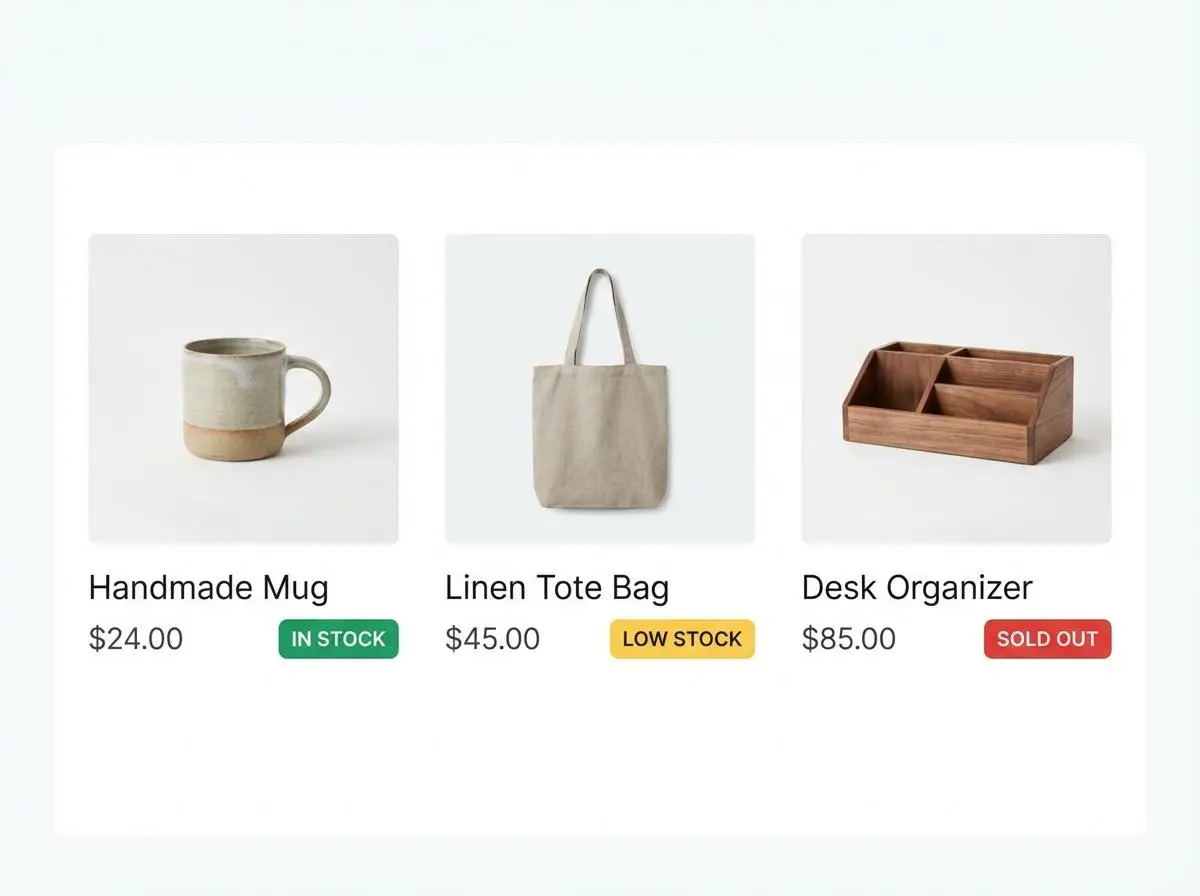
If you are trying to scale an ecommerce brand in 2026, you have likely hit the Content Wall.
The digital landscape has shifted from a “search-first” world to a “velocity-first” one. The data is unforgiving. eMarketer’s latest social commerce forecast projects that global social commerce sales will surpass $1.64 trillion this year, driven by platforms that blur the line between entertainment and checkout.
TikTok Shop alone now demands a level of output that breaks traditional marketing teams. You see the exhaustion in every seller forum. Founders are spending six hours editing a single vertical video only for it to get buried by the algorithm in minutes. The era of hustle-posting is over. In 2026, the winners are the System Commanders who treat content as an automated supply chain rather than a manual chore. Here is how AgentStore turns your product catalog into a high-frequency media house.
1. From Product Data to Viral Hooks: The Content Engine
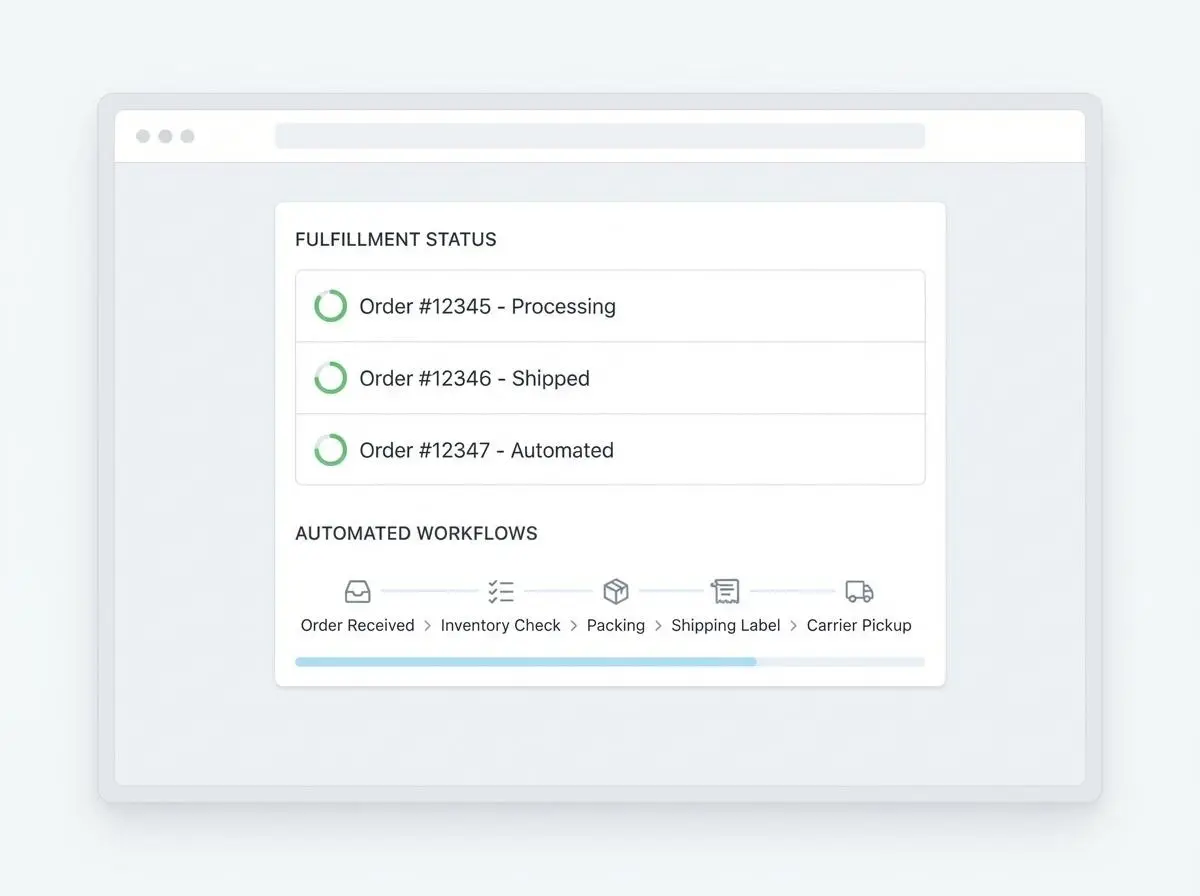
Most AI tools simply “write a caption.” They are glorified text generators that lack the context of your specific brand DNA. But as the HubSpot 2026 Marketing Trends confirm, short-form video now delivers the highest ROI of any content format, generating 2.5 times more engagement per impression than static images. If your content lacks a data-driven hook, it is effectively invisible.
With the AgentStore Content Engine and Ads Copywriter Skills, you no longer start with a blank screen. You command the system to pull the top-selling features from your Shopify or Amazon catalog and generate TikTok-style hooks targeting specific audience pain points. AgentStore does not guess. It scans Amazon Hot Keywords and competitor review sentiment to find the “viral triggers” currently working in your niche. You are not just creating content; you are engineering conversion-ready assets based on real-time market signals.
2. The Omnichannel Standard: Sync, Don’t Spray
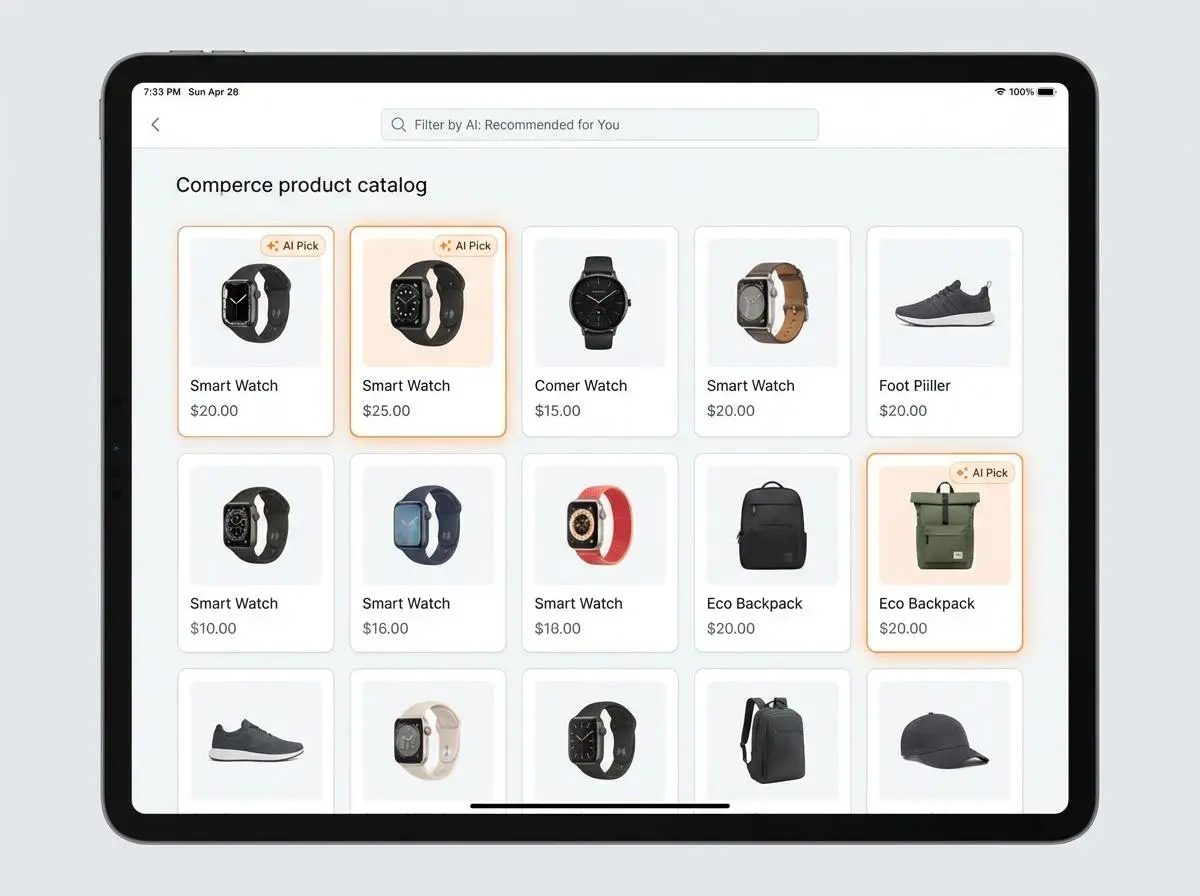
One of the biggest mistakes a merchant can make in 2026 is posting the same raw video everywhere. Audience expectations have evolved, and each platform requires a distinct native feel. While Instagram achieved 3 billion monthly active users in late 2025 by focusing on aesthetic, high-trust content, TikTok has pivoted toward raw, high-intensity engagement.
AgentStore’s Social Distribution Skill understands these platform nuances at a granular level. You can command the system to take a single product demo and repurpose it for multiple channels:
- TikTok Shop: A high-energy, “shoppable” hook designed to stop the scroll.
- Instagram Reels: An aesthetic, brand-aligned version that fits your grid’s visual story.
- X (Twitter): A text-heavy, benefit-driven breakdown for the high-intent tech crowd.
The system executes the omnichannel strategy that 91 percent of modern consumers now expect, ensuring your brand looks like a native leader on every feed it touches.
3. Real-Time Engagement: The Humanizer and QA Shield

Social commerce is a conversation, not a broadcast. Bazaarvoice shopper data shows that nearly 50 percent of shoppers now trust real customer reviews and Q&A more than official ad copy. If you take 12 hours to answer a question on a TikTok live or a product post, the sale is gone to a competitor.
AgentStore’s Humanizer and QA Response Skills act as your 24/7 community manager. You can set the system to monitor comments across your social storefronts and answer technical product questions instantly using your latest FAQ data. Crucially, the system identifies high-intent “Where to buy” comments and flags them for your personal review. This allows you to maintain the human-centric storytelling that builds brand trust while the AI handles the 70 percent of repetitive inquiries.
4. Predictive Scheduling: Winning the Conversion Window
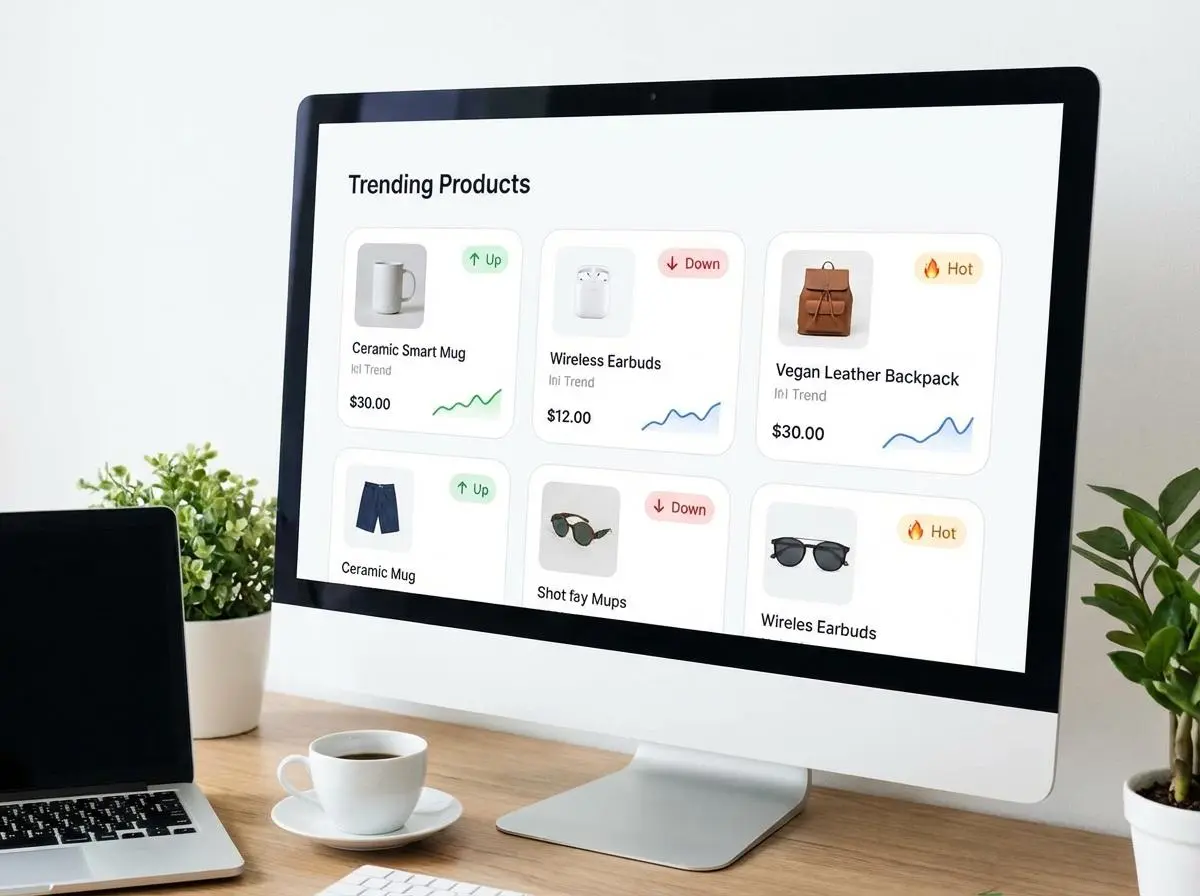
Generic “best times to post” advice is a relic of 2022. In 2026, audience activity is highly fragmented by category and geography. Data from Statista’s 2026 Engagement Analysis indicates that total daily social media usage has surged to over 6 hours in the US, but the window for buying is much narrower.
AgentStore’s Store Operation Analysis Skill looks at your store’s historical transaction data and cross-references it with social engagement spikes. It then triggers the Social Admin Connector to publish your content exactly when the conversion window is widest for your specific SKUs. You stop shouting into the void and start publishing when your customers have their wallets open.
The System Advantage: Scale Revenue, Not Burnout
The secret to the $100M brands in 2026 is not that they have better ideas. It is that they have better Execution Velocity. By delegating your content writing, repurposing, and publishing to AgentStore’s specialized Skills, you stop being a content slave and start being a Brand Architect.
As the global social commerce market targets a staggering $32 trillion valuation by 2035, the question is no longer whether you should be on social media. The question is: Are you running a manual treadmill, or have you built an automated engine? Stop the burnout. Start the system.